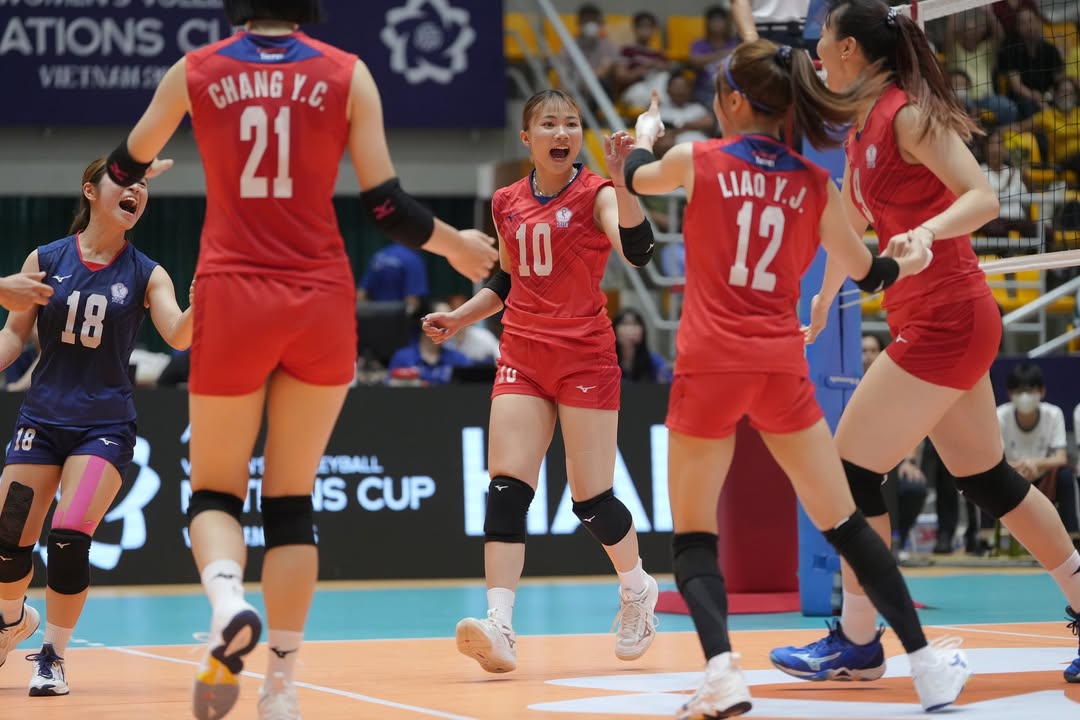
Music has become an essential element in competitive sports, shaping the atmosphere and influencing performance in ways that extend beyond simple entertainment. For volleyball teams, premade cheer music represents a strategic tool that can energize players, coordinate movement, and create an electric atmosphere that turns the home court into a true advantage.
The integration of professionally produced music into volleyball routines is not just about filling silences between plays. It builds momentum, strengthens team identity and creates psychological lift in critical moments. When thought through, these audio elements can increase coordination, strengthen team cohesion, and amplify the competitive edge that separates good teams from great ones.
From simple songs to sophisticated soundscapes
The role of music in competitive cheerleading and sports has undergone a dramatic transformation over the past few decades. What began as rudimentary rhythmic singing and synchronized clapping has evolved into complex, layered audio productions that rival professional entertainment.
This evolution accelerated in the 1980s and 1990s as cheerleading transitioned from sideline support to a competitive discipline in its own right. The introduction of recorded music fundamentally changed how teams approached their routines, enabling more complex choreography and tighter synchronization.
Volleyball has embraced many such innovations, recognizing that the strategic use of music can influence not only spectator engagement but the dynamics of the actual game. Accurate audio cues help players maintain rhythm on serve, pressure opponents during timeouts, and sustain energy through tough five-set matches.
Why audio technique is important in volleyball
The strategic placement of music in a volleyball environment serves multiple functions that directly affect both performance and atmosphere. Understanding these roles helps teams make more informed decisions about their audio approach:
- Psychological Momentum: Timed music creates emotional peaks that can change momentum during tight matches, giving home teams a measurable advantage at crucial points.
- Rhythm and Timing: Consistent beats help players internalize timing patterns, especially important during warm-ups and point-to-point transitions when maintaining focus is essential.
- Crowd Amplification: Strategic music selections transform passive spectators into active participants, creating noise levels and power that can truly unsettle opposing teams.
- Team Identity: Signature music choices become part of a team’s brand, creating recognition and creating traditions that reinforce program culture during the season.
The science behind music and athletic performance
The relationship between music and athletic output has been studied extensively, proving that coaches and athletes have long intuitively understood it. Music affects both mental states and physical performance metrics in measurable ways.
The process is multifaceted. Music affects arousal levels, helping athletes reach optimal activation states for competition. It acts as a distraction tool, diverting attention from fatigue and discomfort during intense physical exertion. Perhaps most important for team sports, music facilitates coordination, helping groups move into coordinated patterns without conscious effort.
For volleyball specifically, these effects manifest in several practical ways:
- Pre-match preparation: Controlled music exposure during warm-up helps players reach ideal arousal levels, not under-energized or over-anxious.
- Between-point recovery: A brief musical interlude during a timeout can help reset the mental state, especially after a momentum-shifting play.
- Practice skills: Consistent audio cues during training help establish movement patterns that become automatic during competition.
- Endurance Extension: The isolation feature of the music helps players overcome fatigue during long tournaments or back-to-back matches.
Navigate copyright and licensing requirements
The legal landscape surrounding the use of music in sports settings is more complex than many teams realize. Public performance of copyrighted music requires proper licensing, and the consequences of non-compliance can include significant fines and legal action.
Schools and athletic programs must secure appropriate licenses before using commercial music in routines or events. This usually involves obtaining rights from performing rights organizations such as ASCAP, BMI, or SESAC.
Premade cheer music designed specifically for athletic use often comes with a license built into the purchase, eliminating much of this complexity. These professionally produced tracks are created with clearance for public performance, allowing teams to focus on performance rather than legal compliance. When evaluating options, teams should verify that the licensing covers their specific use case, whether it’s competition, home games, or both.
Choosing music that matches your program
Choosing effective premade cheer music requires understanding your team’s identity, competitive level, and strategic objectives. The wrong music can feel disconnected or even undermine the atmosphere you’re trying to create, while the right selections become integral to your program’s identity.
Consider these factors when evaluating options:
- Tempo Alignment: Match the beats per minute to your group’s natural rhythm Fast tempos (140-160 BPM) work well for high-energy moments, while medium tempos (120-130 BPM) are suitable for warm-ups and controlled sequences.
- Genre Consistency: Establish a sonic identity rather than jumping between drastically different styles. Groups known for hip-hop energy should not be suddenly relocated to the country without strategic reasons.
- Customization Flexibility: Look for tracks that allow for editing or layering so you can adjust length, add team-specific elements, or create unique transitions.
- Production quality: Professional mixing and craftsmanship ensure consistent volume levels and clarity across a variety of sound systems, from small gyms to large arenas.
- Competition Suitability: Music that works for practice may not be suitable for a competition environment where the regulations or acoustics of the venue are significantly different.
Cheer coaches can select program-matched music from CheerleadingMix, CheerSounds or IPP Music for team identity-aligned tracks and strategic objective support solutions.
The current trend is to rebuild cheerleading music
The cheer music landscape continues to evolve, driven by technological advances and changing aesthetic preferences. Teams that stay current with these trends can maintain fresh, engaging audio that resonates with both attendees and listeners.
Several notable developments are shaping the current environment:
- Hybrid Genre Blending: The most effective contemporary mixes combine elements from pop, electronic, hip-hop and even orchestral sources, creating layered soundscapes that maintain interest throughout extended routines.
- Variation in dynamic range: Instead of maintaining a constant high energy, sophisticated mixes now incorporate intentional peaks and valleys that create dramatic tension and release.
- Voice Integration: Strategic use of voice samples, crowd chants, and team-specific callouts add personality and help differentiate one program’s sound from another.
- Technology-enabled customization: Cloud-based editing platforms and mobile apps have democratized music production, allowing teams to make professional-quality adjustments without expensive studio time.
- Cultural Responsiveness: The best music selections reflect and celebrate the diversity of team members and communities, going beyond the norm to create authentic connections.
Strategic Case for Premade Solutions
While few programs invest in full custom music production, premade options offer compelling benefits that make them a practical choice for most volleyball teams. The decision ultimately comes down to resource allocation and strategic priorities.
Premade music offers several specific benefits:
- Immediate Implementation: Teams can acquire and deploy professional-quality music in days instead of the weeks or months required for custom production.
- Proven Effectiveness: Popular premade tracks have been tested across hundreds of programs, with performance data that validates their impact on energy and engagement.
- Cost efficiency: Professional custom manufacturing can cost thousands of dollars, while prefabricated options typically run in the hundreds, freeing up budget for other program needs.
- Legal clarity: Reputable providers manage licensing complexities, eliminating the risk of copyright infringement that could lead to fines or disqualification from competition.
- Consistent quality: Professional production ensures accurate mixing, mastering and audio engineering that amateur efforts rarely achieve.
- Preserving Focus: Coaches and players can focus on athletic development instead of being amateur music producers.
The most successful programs view music as one component of a comprehensive competitive strategy. By selecting high-quality predetermined options that align with the team’s identity and strategic goals, volleyball programs can achieve professional results without diverting resources from their core goals of athletic excellence.
PakarPBN
A Private Blog Network (PBN) is a collection of websites that are controlled by a single individual or organization and used primarily to build backlinks to a “money site” in order to influence its ranking in search engines such as Google. The core idea behind a PBN is based on the importance of backlinks in Google’s ranking algorithm. Since Google views backlinks as signals of authority and trust, some website owners attempt to artificially create these signals through a controlled network of sites.
In a typical PBN setup, the owner acquires expired or aged domains that already have existing authority, backlinks, and history. These domains are rebuilt with new content and hosted separately, often using different IP addresses, hosting providers, themes, and ownership details to make them appear unrelated. Within the content published on these sites, links are strategically placed that point to the main website the owner wants to rank higher. By doing this, the owner attempts to pass link equity (also known as “link juice”) from the PBN sites to the target website.
The purpose of a PBN is to give the impression that the target website is naturally earning links from multiple independent sources. If done effectively, this can temporarily improve keyword rankings, increase organic visibility, and drive more traffic from search results.